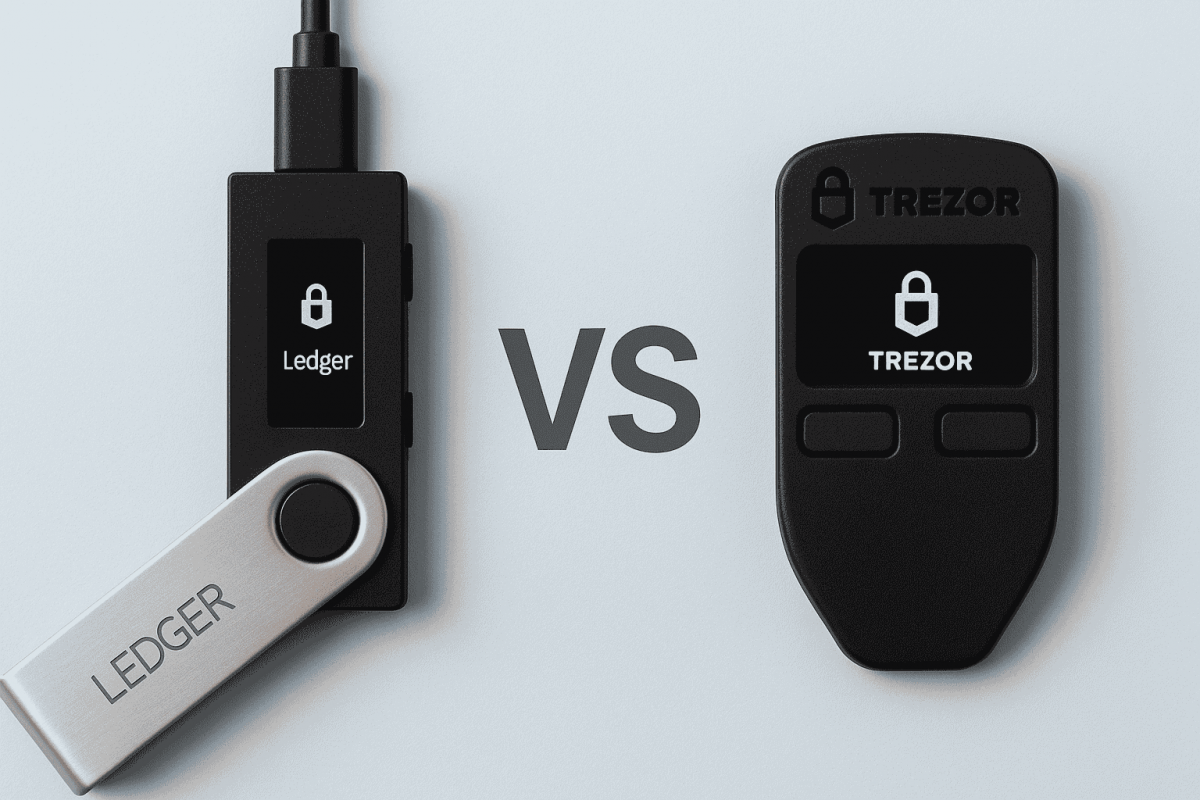
Cryptocurrency gives individuals
unprecedented control over their financial assets, but that freedom comes with
significant responsibility. Unlike traditional banking systems, crypto
transactions are largely irreversible, and users are responsible for safeguarding
their private keys. As digital assets become more widely adopted, securing them
properly has become one of the most important considerations for both new and
experienced investors.
Hardware wallets are often viewed
as the gold standard for cryptocurrency storage because they keep private keys
offline and away from internet-based threats. Among the most recognized names
in this space are Trezor and Ledger. Understanding the strengths and
differences between these two leading brands can help investors make informed
decisions about protecting their digital wealth for the long term.
Why Hardware Wallets Matter for Crypto Security
One of the biggest risks in
cryptocurrency ownership is storing assets on internet-connected platforms.
While exchanges and software wallets offer convenience, they can also become
targets for hackers, phishing attacks, and malware. Security professionals
throughout the blockchain industry consistently recommend cold storage
solutions for users holding significant amounts of cryptocurrency.
Hardware wallets reduce these
risks by keeping private keys isolated from online environments. Even when
connected to a computer or mobile device, sensitive information remains
protected within the hardware wallet itself. This significantly lowers the chances
of unauthorized access compared to online storage options.
Both Trezor and Ledger were
designed with this security-first principle in mind. Their primary goal is to
allow users to maintain complete ownership of their assets while minimizing
exposure to common cyber threats. For many investors, consulting learning resources on cold
storage best practices can help clarify which hardware wallet solution fits
their security needs before making a purchase.
Security Philosophy and Architecture
Although both wallets prioritize
security, they approach it in different ways. Trezor is known for its
open-source philosophy, allowing security researchers and developers to inspect
its code. Many users appreciate this transparency because it enables independent
verification of how the wallet operates and handles sensitive information.
Ledger takes a different approach
by incorporating a secure element chip into its devices. Similar technology is
commonly used in payment cards and passports to safeguard confidential data.
This specialized hardware is designed to resist certain forms of physical
tampering and unauthorized extraction attempts.
The debate between open-source
transparency and dedicated security hardware has been ongoing within the crypto
community for years. Some users prefer the visibility offered by Trezor, while
others value Ledger's additional hardware-based protections. Ultimately, both
approaches are respected and have contributed to the strong reputations of
their respective products.
User Experience and Setup Process
A secure wallet is only effective
if users can confidently operate it. Trezor has earned praise for offering a
straightforward setup process that is accessible to beginners. The interface is
designed to guide users through wallet creation, backup procedures, and
transaction management without unnecessary complexity.
Ledger provides a polished
experience through its Ledger Live application. This platform allows users to
manage assets, monitor portfolio performance, and access various crypto-related
services from a centralized dashboard. Many users appreciate having multiple
tools available within a single ecosystem.
While both companies have
invested heavily in usability, their experiences feel slightly different.
Trezor emphasizes simplicity and ease of navigation, while Ledger focuses on
combining security with a broader suite of management features. The choice often
depends on how much functionality a user wants beyond basic storage.
Cryptocurrency Support and Ecosystem Features
Asset compatibility is another
important factor when comparing hardware wallets. Investors often hold multiple
cryptocurrencies across different blockchain networks, making broad support an
attractive feature. Ledger has historically been recognized for supporting a
particularly large number of cryptocurrencies and tokens.
Trezor supports many of the most
popular cryptocurrencies and continues expanding its compatibility through
software updates and third-party integrations. For most investors, the
available support covers the majority of commonly held assets. However, users
involved in niche projects may want to verify compatibility before purchasing a
device.
Beyond storage, ecosystem
capabilities can influence the overall experience. Ledger Live integrates
features such as portfolio tracking and staking for supported assets. Trezor,
meanwhile, offers strong compatibility with external wallet applications, giving
users flexibility when choosing how they interact with different blockchain
networks.
Backup and Recovery Options
No matter how secure a hardware
wallet may be, recovery planning remains essential. Devices can be lost,
damaged, or replaced over time. Both Trezor and Ledger rely on recovery seed
phrases that allow users to restore wallet access if the original device
becomes unavailable.
The recovery seed acts as the
ultimate backup for cryptocurrency holdings. Industry best practices encourage
users to write the phrase down offline and store it securely in a location
protected from theft, fire, and water damage. Digital storage of recovery
phrases is generally discouraged due to security risks.
Trezor and Ledger both support
additional security features that can strengthen recovery protection. Advanced
options such as passphrases add another layer of defense, helping ensure that
access remains restricted even if a recovery phrase is compromised. These
safeguards are particularly valuable for users holding substantial digital
assets.
Transparency, Trust, and Community Reputation
Trust is a critical consideration
when selecting a hardware wallet provider. Since users depend on these devices
to secure valuable assets, the reputation of the manufacturer often plays a
significant role in purchasing decisions. Both Trezor and Ledger have spent
years building credibility within the cryptocurrency industry.
Trezor's commitment to
open-source development has helped it gain support among users who prioritize
transparency and independent verification. Many advocates believe that publicly
accessible code strengthens accountability and contributes to stronger long-term
security practices.
Ledger has built trust through
widespread adoption, ongoing innovation, and extensive cryptocurrency support.
Its products are used by millions of crypto holders around the world. When
conducting a thorough Trezor vs
Ledger comparison, investors often discover that both companies have earned
substantial respect despite taking different paths toward achieving security
and usability.
Which Hardware Wallet Is Right for You?
Choosing between Trezor and
Ledger depends largely on individual priorities. Users who value transparency
and open-source development often find Trezor appealing. Its straightforward
design and strong reputation make it a popular option among both beginners and
experienced cryptocurrency holders.
Ledger may be a better fit for
users who want broad asset support, integrated management tools, and the added
security of a dedicated secure element chip. Investors who actively engage with
multiple cryptocurrencies often appreciate the flexibility offered through the
Ledger ecosystem.
Rather than focusing solely on
brand comparisons, investors should evaluate how they intend to use their
wallet. Security preferences, portfolio diversity, technical comfort level, and
desired features all contribute to determining which solution aligns best with
personal needs.
Conclusion
Selecting a hardware wallet is
one of the most important decisions a cryptocurrency investor can make. As
digital assets continue to play a larger role in personal finance, secure
self-custody practices are becoming increasingly important. Hardware wallets
provide a powerful defense against many of the risks associated with online
storage and centralized platforms.
Both Trezor and Ledger have
established themselves as leaders in the hardware wallet industry by delivering
reliable security solutions with distinct strengths. By understanding their
differences in architecture, usability, ecosystem features, and overall
philosophy, investors can confidently choose the wallet that best supports
their long-term cryptocurrency goals.
 Releases Monitor
 Broadcast locally signed transactions
 FAQ
FAQ Halving countdown
 Add Blockexplorer.one to your website
 Bitcoin
 Ethereum
 Bitcoin Cash
 Litecoin
 DogeCoin
 Dash
Dash
 Ethereum Classic
 Binance Smart Chain
 Tron
Tron
 ZCash
ZCash
 XRP
XRP


 Scan QR